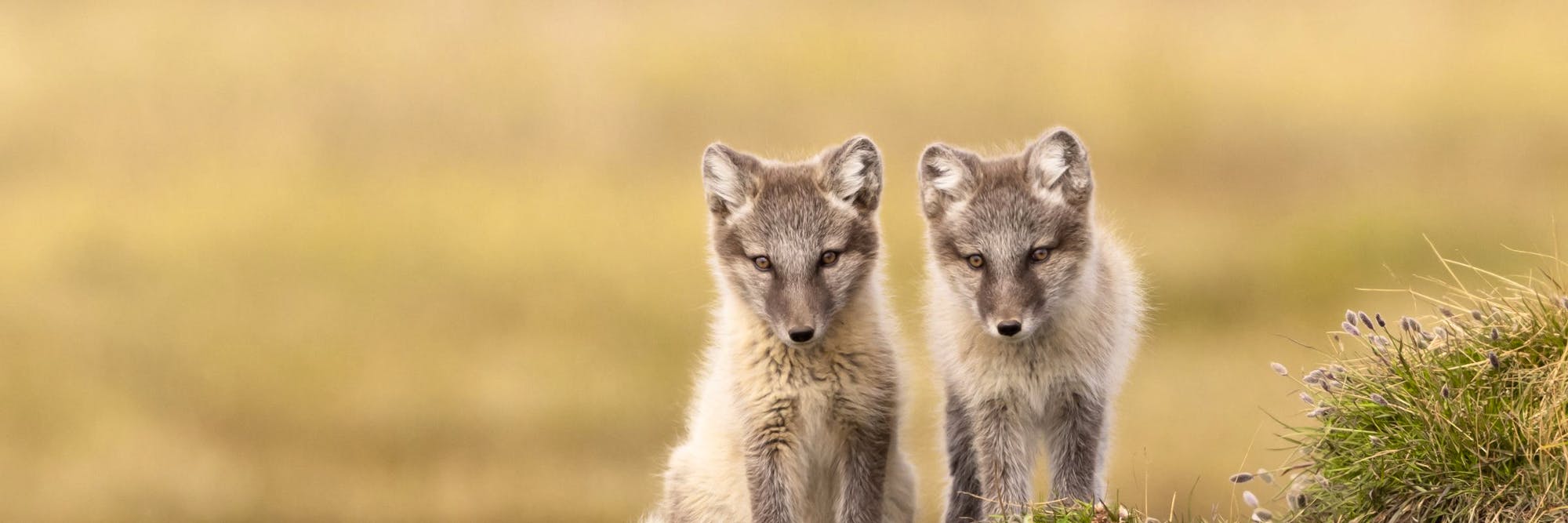
Threats to Arctic Foxes
In addition to being prime targets of the fur trade, some Arctic fox populations have also fallen victim to diseases spread from domestic dogs.
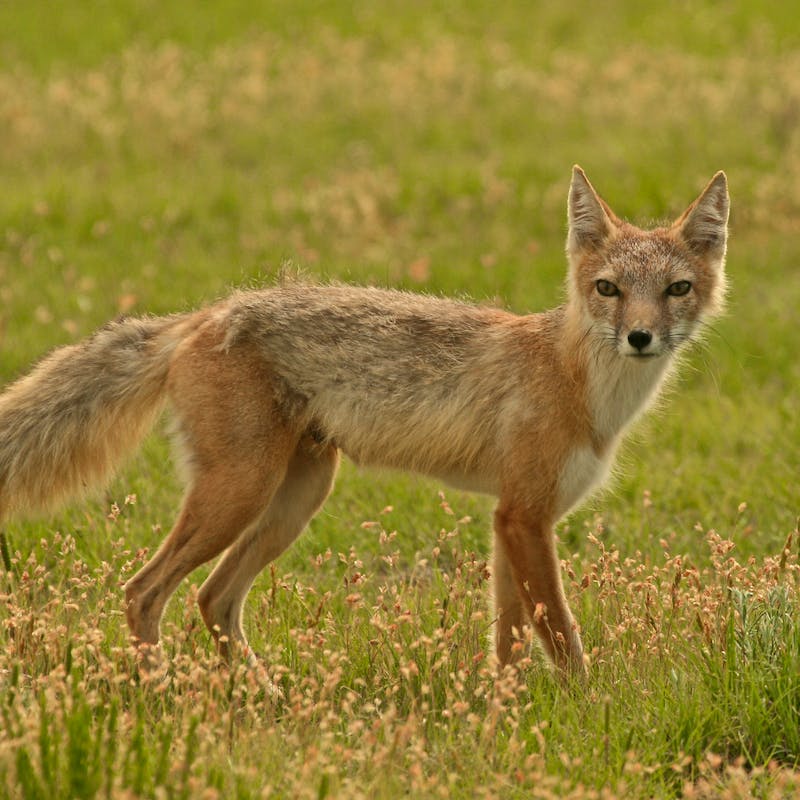
Also, the Arctic fox is losing ground to the larger red fox. As their name suggests, Arctic foxes are specially adapted to thrive in the cold winters and thick snows of the far north.
Where conditions are less extreme, however, this highly specialized species is generally out-competed by its cousin, the more adaptable red fox.
As climate change takes its toll and the snow-line continues to recede further and further north, the range of the Arctic fox shrinks, too, giving way to the northward advance of the red fox.
More on Arctic Fox:
Size: Arctic foxes can range from 2.3 to 3.5 feet (.76 - 1.1m) in length, in addition to their 12-inch (.3m) tail. At the shoulder, they stand around 9 inches to 12 inches (.2 - .3m) tall.
Weight: Arctic foxes range from 6.5 to 21 lbs (2.9 - 95kg). Female Arctic foxes tend to be smaller than males.
Lifespan: Usually around 3 to 6 years.

Click to enlarge »