Join our mobile Rapid Response Network!
You can be the first to hear about how we’re going to hold this administration accountable and how you can fight back for wildlife!
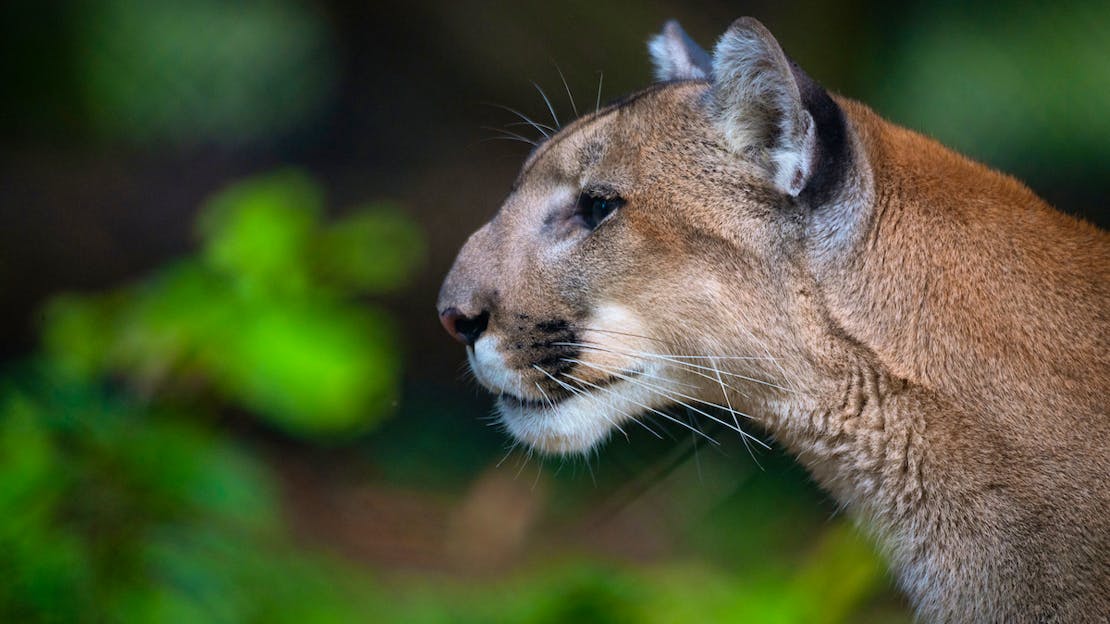
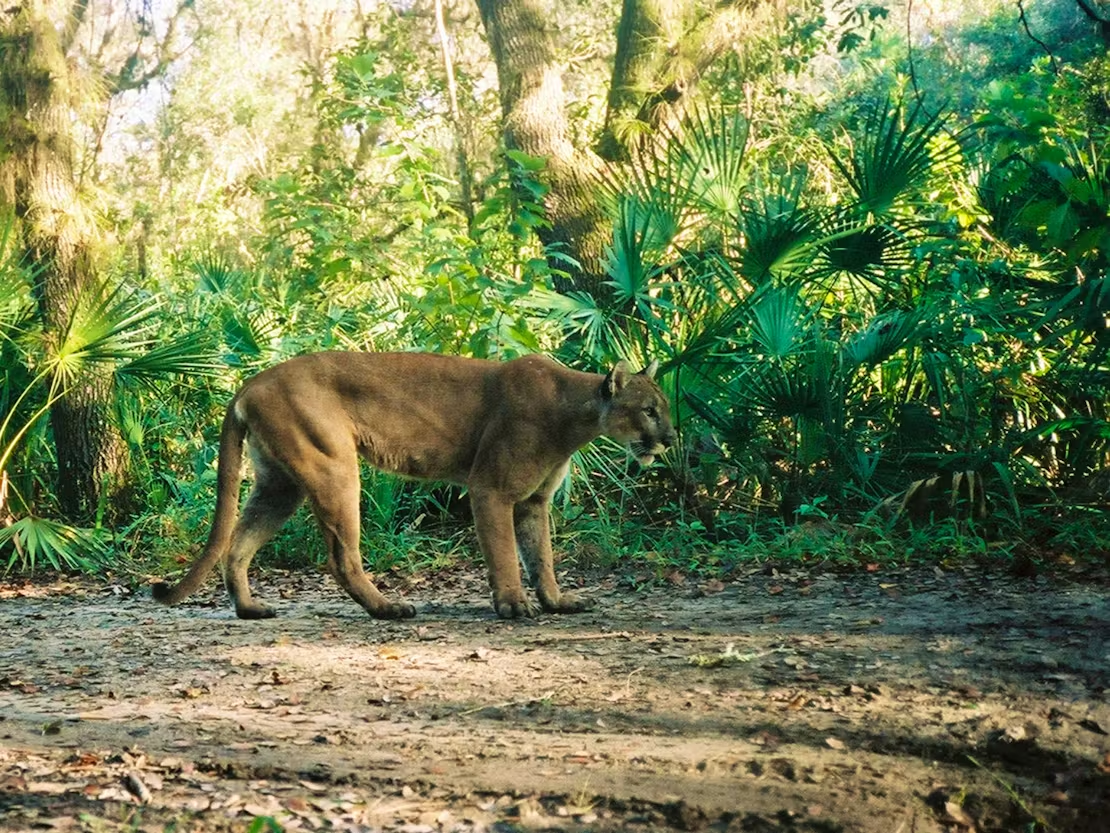
The Florida panther is the only puma (also known as cougar and mountain lion) population established east of the Mississippi. It is recognized as Florida’s official state animal.
At the top of the food chain, these cats help keep feral hog numbers in check. They also keep deer, raccoon and other prey populations balanced and healthy in their core range.
Why are Florida panthers endangered?
Florida panthers once prowled and flourished in woodlands and swamps throughout the Southeast. European settlers arrived in the 1600s and began clear-cutting, building and performing other human activities that destroyed, degraded and fragmented panther habitat. Fear and misconceptions also led to widespread panther persecution. Today, Florida panthers are one of the most endangered mammals in the country.
Panthers need to be able to travel through, and utilize both, private and public lands to expand their range northward. Lack of landowner acceptance to share the landscape, however, is an impediment to recovery.
Roadway mortality, which also limits range expansion, is the largest human cause of panther deaths. Dozens of panthers are killed on roads every year while searching for territory, food and mates. A record 34 were killed crossing roads in 2016. 2024 was the second highest record with 26 panthers killed from vehicles and a train.
The small size and high degree of isolation of Florida’s panther population makes it vulnerable to genetic problems and catastrophic events such as disease, parasite outbreaks and exposure to toxins.
Panthers are an umbrella species: protecting them and the vast, unspoiled, wild territory each one needs to survive — an average of 200 square miles for a single male — can help protect many other plants and animals that live there, as well as watersheds.
Habitat loss, fragmentation and degradation are the major threats to panther survival. Roadway mortality is the largest human cause of panther deaths.
Defenders' Impact
Defenders of Wildlife’s efforts to help Florida panthers started more than four decades ago when we lobbied for the big cat’s inclusion under the federal Endangered Species Act. Since then, we launched our Florida panther coexistence program in 2004 to respond to an increase of panther depredations on livestock and pets.
In rural neighborhoods, we help fund and construct sturdy enclosures to protect pets and small livestock from panthers and other predators to avoid conflict. We have helped more than 70 families secure their domestic animals since 2014. We are also working with ranchers and agencies to improve incentive programs to help offset monetary losses when panthers kill commercial livestock.
Defenders’ works to secure and protect the large interconnected tracts of wild land Florida panthers need to expand their range northward and to promote safe crossing for panthers in an effort to preventcollisions with vehicles.
Through partnerships, education, research support, public outreach and advocacy, Defenders is working to foster understanding of Florida panthers and to help people share the landscape with these endangered predators.
In recognition of our longstanding commitment to panther recovery, Defenders serves as the conservation representative on the federal Florida Panther Recovery Implementation Team.
You can be a part of the solution for endangered species: support our efforts to protect the wild!
What You Can Do
If you live in panther country, practice proven coexistence techniques. Slow down and watch the roads for panthers if you are driving through their habitat.
Support Defenders' work in panther recovery.
About
Panthers historically ranged across the southeastern United States including Arkansas, Louisiana, Mississippi, Alabama, Georgia, Florida, and parts of Tennessee and South Carolina. Now, the breeding population of Florida panthers is concentrated in the southwestern tip of Florida. Since 2016 – for the first time since the 1970s – a few females with kittens have been documented north of the Caloosahatchee River. Panthers are habitat generalists, which means they use a variety of habitat types, including forests, prairies and swamps.
There are an estimated 120-230 adults and subadults primarily in southwest Florida, the only breeding population. Continued northward range expansion and restoration of additional populations are essential for panther recovery.
Panthers are solitary, territorial animals that travel hundreds of miles within their home ranges. These cats are crepuscular, or active mostly between dusk and dawn, and rest during the heat of the day.
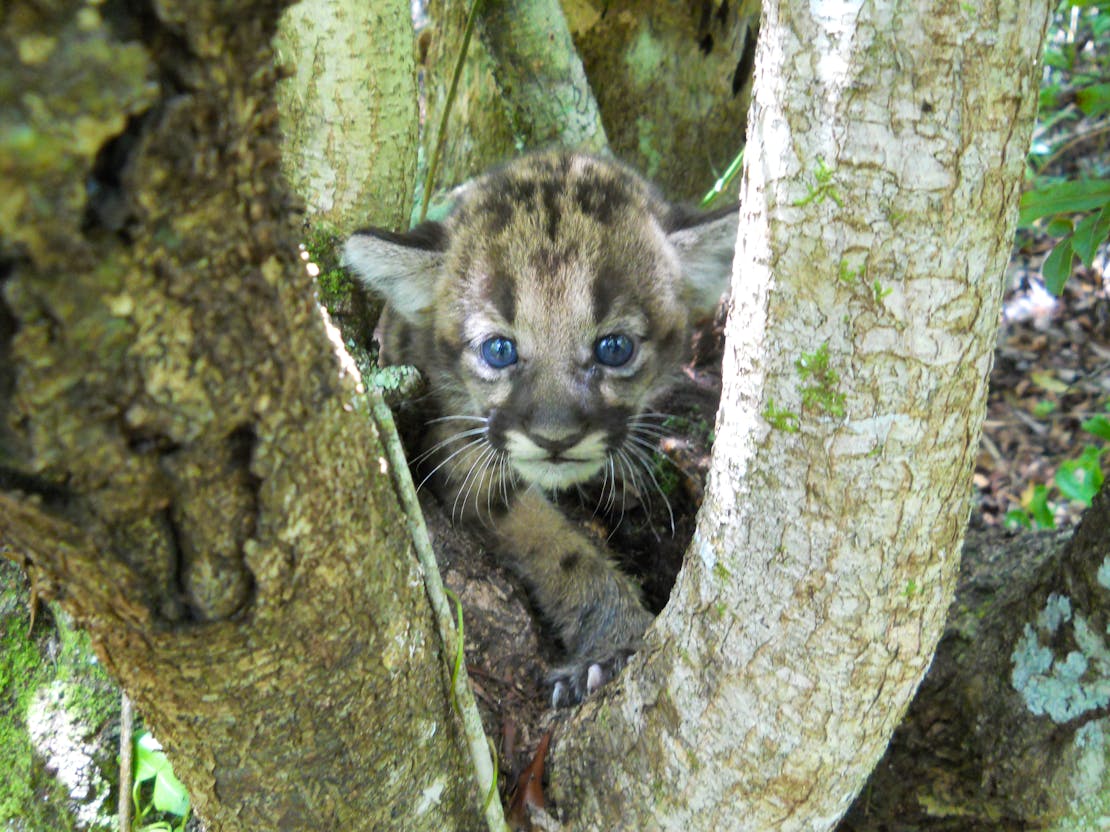
Kittens are born with dark spots that soon fade away as they become adults, which are tawny brown (the same color of deer). They stay with their mother for up to two years, but rarely do all kittens survive.
Mating Season: Throughout the year, with a peak in winter/spring
Gestation: About 90 days
Litter Size: 1-4 kittens
Florida panthers are carnivores and primarily eat white-tailed deer, but they will also hunt feral hog, rabbit, raccoon, armadillo, birds and other animals.
Featured

Coexisting with Florida Panthers
With Florida experiencing ever-increasing development that often places humans and panthers in proximity, the future of the panther depends upon our ability to coexist.
News