Join our mobile Rapid Response Network!
You can be the first to hear about how we’re going to hold this administration accountable and how you can fight back for wildlife!
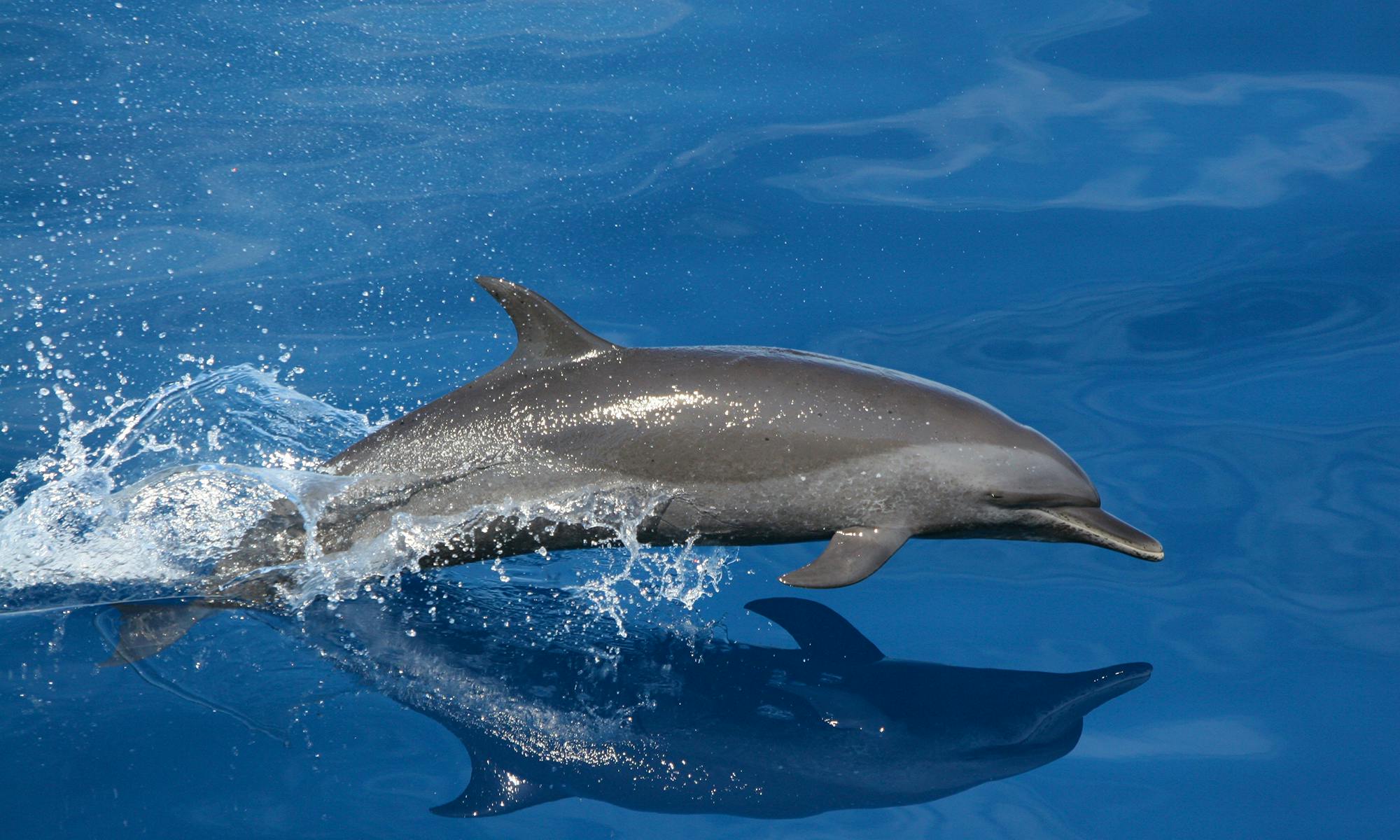
Dolphins are highly intelligent marine mammals and are part of the family of toothed whales that includes orcas and pilot whales.
They are found worldwide, mostly in shallow seas of the continental shelves, and are carnivores, mostly eating fish and squid. Dolphin coloration varies, but they are generally gray in color with darker backs than the rest of their bodies. Common dolphin species include the Bottlenose dolphin, the Atlantic spotted dolphin, and many more!
Why are dolphins imperiled?
As climate change causes the seas and oceans to warm, dolphins are being seen more frequently in colder waters outside their historic ranges. Due to rapidly rising ocean temperatures, dolphins’ primary food sources are seeking deeper, cooler waters. Scientists are concerned that dolphins will have difficulty adapting as quickly as necessary to find new feeding grounds to sustain their populations. Some dolphins that live in areas where rivers and oceans meet, known as brackish waters, are also losing habitat as ocean levels rise due to global warming.
Climate change, fisheries bycatch, plastic pollution and offshore oil and gas development, including seismic blasting, are all threatening dolphins.

Defenders' Impact
Defenders fights attempts to weaken the Marine Mammal Protection Act and all the protections it affords marine mammals like dolphins.
Defenders opposes offshore oil and gas development in the Arctic and Atlantic, and works to promote wildlife- and whale-friendly best management practices for offshore wind siting and development.
What You Can Do
- Obey posted signs, boat speed limits and viewing guidelines when encountering wild dolphins.
- Do not harass or feed dolphins or try to entice them to bow-ride.
- Do not support swim-with dolphin programs.
- Limit or eliminate your plastic use – dolphins have been found dead on beaches with stomachs full of plastic.
- Support our efforts to save endangered and imperiled species
About
Most species live in shallow areas of tropical and temperate oceans throughout the world. Five species live in the world's rivers.
It is difficult to estimate population numbers since there are many different species spanning large geographic areas.
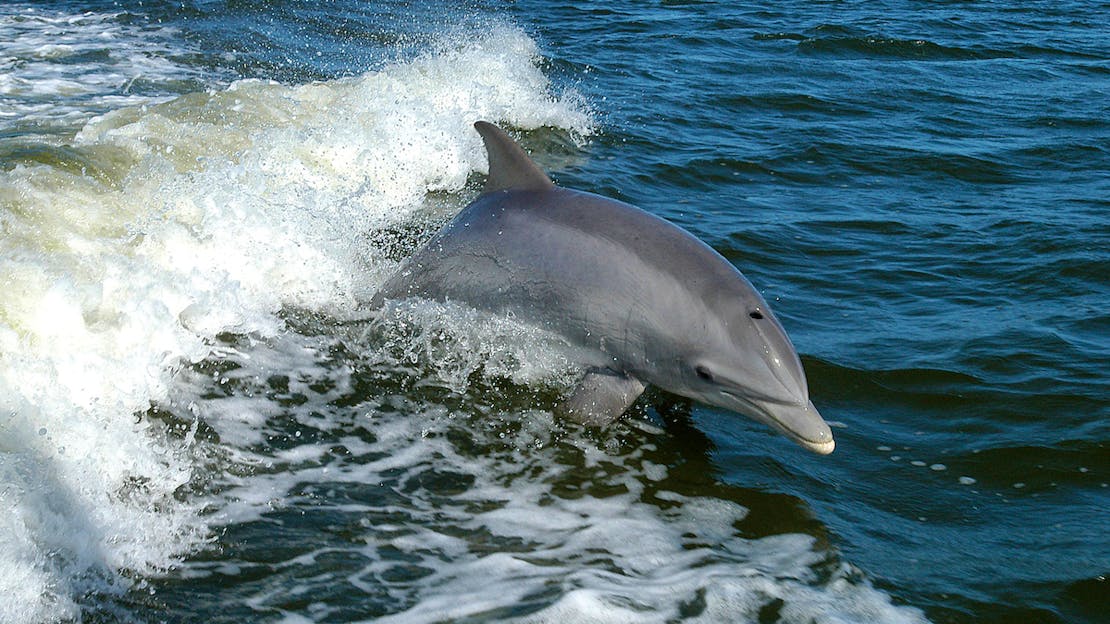
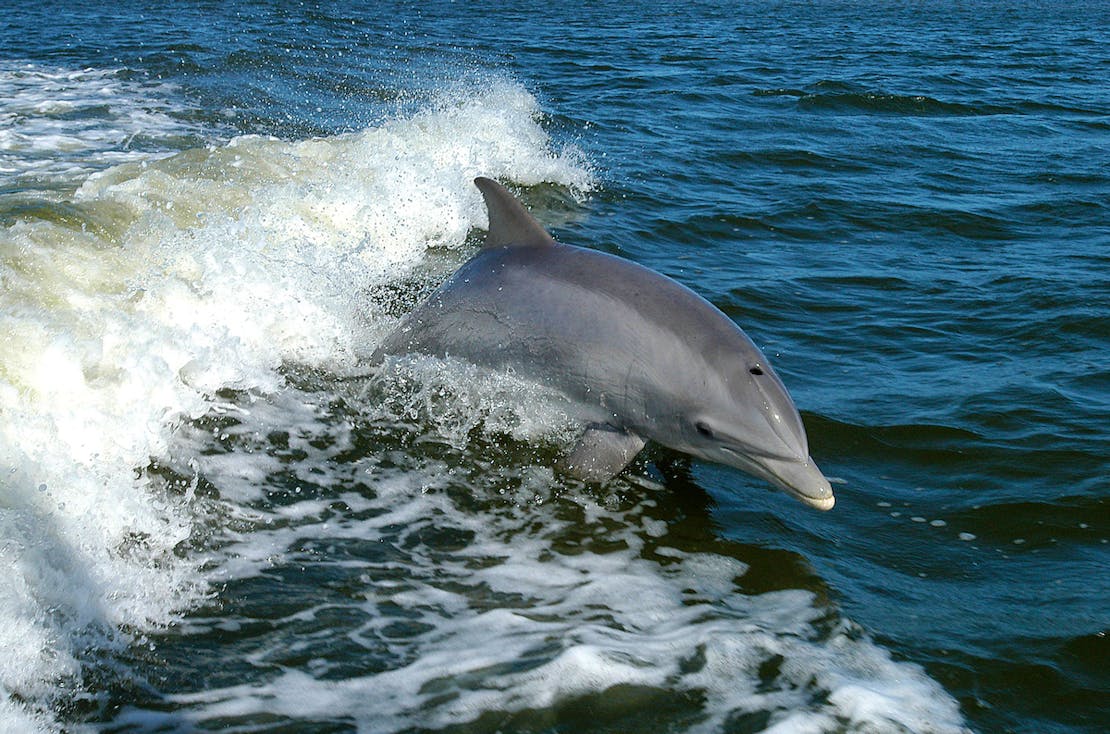
Dolphins are well known for their agility and playful behavior, making them a favorite of wildlife watchers. Many species will leap out of the water, spy-hop (rise vertically out of the water to view their surroundings) and follow ships, often synchronizing their movements with one another. Scientists believe that dolphins conserve energy by swimming alongside ships, a practice known as bow-riding. Dolphins live in social groups of five to several hundred. They use echolocation to find prey and often hunt together by surrounding a school of fish, trapping them and taking turns swimming through the resulting “bait ball” to catch fish. Dolphins will also follow seabirds, other whales and fishing boats to feed opportunistically on the fish they scare up or discard.
Mating season: Throughout the year, though in some areas there is a peak in spring and fall.
Gestation: 9-17 months depending on the species. When it is time to give birth, the female will distance herself from the pod, often going near the surface of the water.
Number of offspring: usually one calf, as twins are rare.
As soon as the calf is born, the mother must quickly take it to the surface so it can take its first breath. The calf will nurse from 11 months to 2 years, and after it is done nursing it will still stay with its mother until it is between 3 and 8 years old.
Dolphins consume a variety of prey including fish, squid and crustaceans.
Read More About Dolphins
News