Join our mobile Rapid Response Network!
You can be the first to hear about how we’re going to hold this administration accountable and how you can fight back for wildlife!
Prairie dogs are considered a “keystone” species because their colonies create islands of habitat that benefit approximately 150 other species, including the endangered black-footed ferret.
They are also a food source for many animals, including mountain plover, burrowing owl, Ferruginous hawks, swift fox and endangered black-footed ferrets. Many species, like black- footed ferrets, use their burrows as homes. Prairie dogs even help aerate and fertilize the soil, allowing a greater diversity of plants to thrive.
Why are prairie dogs imperiled?
Sylvatic plague and habitat loss have contributed to an estimated 98% population decline in prairie dog numbers. Sylvatic plague is an introduced wildlife disease, — the same species (Yersinia pestis) that causes bubonic or pneumonic plague in humans — which has decimated prairie dogs throughout their range. The loss of prairie dogs is also attribted to mass poisoning campaigns conducted from 1918 to the present.
Recovery efforts can be daunting because large enough prairie dog populations must exist and persist, so they do not succumb to plague once restored. The problem is the remaining colonies of prairie dogs — 2 to 4% of historic population — are relatively small and fragmented. Colonies are often separated by great distances, which makes it hard for species such black-footed ferrets to connect and perpetuate their populations.
The conservation of the prairie dog, and thus the recovery of other wildlife, involves sustaining prairie dog colonies through vaccination and pesticide applications for flea control; finding new, welcoming habitats free of the plague threat; and applying safety-net populations and public education at zoos and wildlife centers.
Prairie dogs are threatened by human intolerance, disease, climate change and habitat loss.
Defenders' Impact
Poisoning prairie dogs impacts native grassland birds, is expensive and rarely offers a long-term solution to conflicts with livestock operations. Defenders is working with national grasslands on nonlethal alternatives to poisoning.
One solution is creating tall-grass buffers between prairie dog colonies and adjacent private properties because prairie dogs hesitate to make homes in or go through tall grass. Growing tall grass is difficult in areas frequented by grazing livestock, so Defenders has purchased and installed several miles of solar-powered portable electric fencing along buffer areas to keep livestock out, allowing the grass to grow tall.
Defenders also promotes relocation of prairie dogs from conflict areas to core areas where they are fully protected. We have helped move hundreds of prairie dogs out of harm’s way and hand-dig starter burrows to promote new colonies.
You can be a part of the solution for endangered species: support our efforts to protect the wild!
What You Can Do
Contact your state Senators and Representatives and governors in western states and let them know that you support prairie dog and black-footed ferret recovery.
Support Defenders efforts to further coexistence work.

About
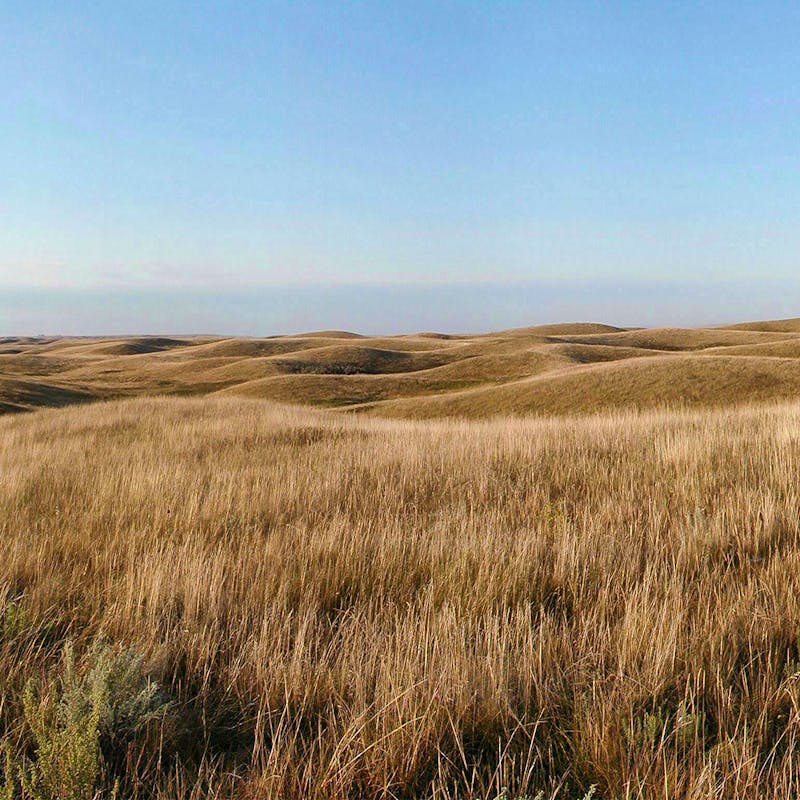
Black-tailed prairie dog colonies were once found across the Great Plains from southern Canada to northern Mexico. Today their small, scattered colonies occupy only 1-2 million acres. They were eradicated completely from Arizona but were recently reintroduced to that state in one small area.
Black-tailed prairie dogs once numbered in the hundreds of millions – maybe even over a billion. But their numbers have decreased by over 95%. Today, they may number around 10-20 million.
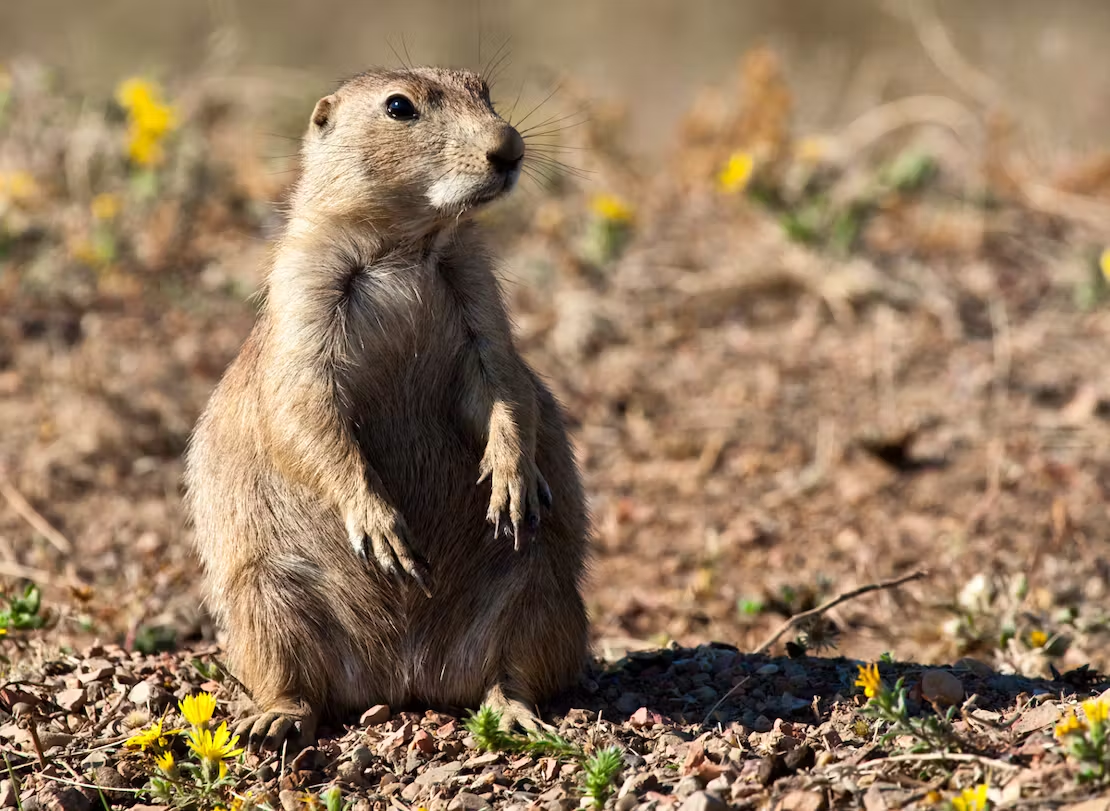
Prairie dogs are colonial animals that live in complex networks of tunnels with multiple openings. The tunnels contain separate "rooms" for sleeping, rearing young, storing food and eliminating waste.
Prairie dogs are very social and live in closely-knit family groups called "coteries." Coteries usually contain an adult male, one or more adult females and their young offspring. These coteries are grouped together into wards (or neighborhoods) and several wards make up a colony or town.
Prairie dogs have a complex system of communication, including a variety of pitched warning barks that signal different types of predators.
Mating Season: March
Gestation: 33-38 days; pups born in April or May
Litter size: 3-4 pups average, range of 1-8
Black-tailed prairie dogs mainly consume grasses, sedges, forbs (flowering plants), roots and seeds, though they are also known to eat insects.
Read More About the Prairie Dog
News